Training for Mount Kilimanjaro is important, especially for first-time trekkers. You do not need to be an experienced mountaineer, but good preparation can make the climb more comfortable.
A simple training plan should focus on walking, endurance, leg strength, and getting used to hiking for several hours.
Start Training Early
Ideally, begin preparing 8 to 12 weeks before your trek.
Start with shorter walks and gradually increase the distance and duration. This approach allows your body to adapt without putting too much stress on your muscles.
Build Your Walking Endurance
Walking is one of the best ways to prepare for Kilimanjaro.
Try to walk several times each week. As your fitness improves, increase the distance and include longer weekend walks.
Whenever possible, walk on hills or uneven ground because Kilimanjaro involves long periods of uphill and downhill walking.
Practice Long Hikes
Long hikes are important because some Kilimanjaro trekking days can last several hours.
Start with shorter hikes and gradually work toward longer walks. Wearing your hiking boots and carrying a light backpack during training can also help you prepare for the real trek.
Strengthen Your Legs
Strong legs can make uphill and downhill walking easier.
Include simple exercises such as:
Squats
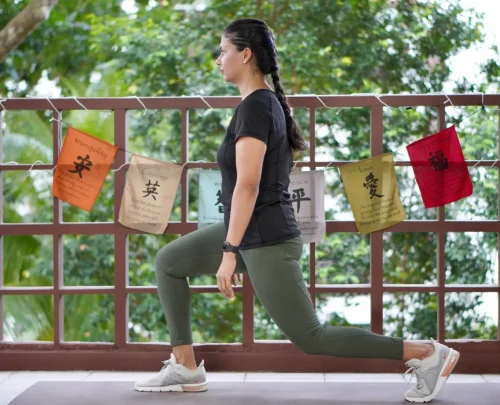
Lunges
Step-ups
Calf raises
Glute exercises
You do not need heavy weights. Consistent training is more important than lifting very heavy loads.
Improve Your Cardio Fitness
Cardio training can help you handle long trekking days.
Walking, cycling, swimming, jogging, or using stairs are useful options. Aim for regular sessions rather than doing very intense workouts only once or twice a week.
Train on Hills and Stairs
Kilimanjaro involves a lot of elevation gain.
If you live in a flat area, use stairs, a treadmill with an incline, or local hills to build your strength. Gradually increase the time and intensity as your fitness improves.
Practice With Your Hiking Gear
Do not wait until your trek to test your equipment.
Wear your hiking boots during training walks so you can make sure they are comfortable. You can also practice carrying your daypack and using trekking poles.
This helps you identify problems before reaching Tanzania.
Prepare for Long Walking Days
Kilimanjaro is not a race.
During training, focus on maintaining a steady pace for longer periods. On the mountain, your guide will usually encourage a slow and consistent walking speed.
Therefore, endurance is more important than speed.
Train for the Summit Day
Summit day is usually the most demanding part of the trek.
The final ascent involves several hours of walking at high altitude, often beginning during the night. Preparing with longer hikes, stairs, and endurance training can help you handle the physical challenge.
Practice Rest and Recovery
Rest is part of good training.
Allow your body time to recover after demanding workouts. Sleep well and avoid increasing your training distance too quickly.
If you experience persistent pain or other problems during training, seek appropriate professional advice before continuing.
Can Beginners Climb Kilimanjaro?
Yes, many beginners successfully climb Kilimanjaro.
Technical climbing experience is generally not required on the standard trekking routes. However, physical preparation, proper pacing, and good acclimatization are important.
Choosing a longer route can also provide more time for your body to adjust to the altitude.
Simple Weekly Training Plan
A beginner can use a simple schedule such as:
Day
Training
Monday
Rest
Tuesday
Cardio or brisk walking
Wednesday
Leg strength
Thursday
Walking or stairs
Friday
Rest
Saturday
Long hike
Sunday
Easy walk and recovery
Increase the distance gradually as your trek approaches.
Final Weeks Before Kilimanjaro
During the final week, avoid heavy training.
Focus instead on rest, light walking, stretching, and preparing your equipment. Arriving at the mountain rested is more useful than trying to gain extra fitness at the last minute.
Train With Gleam Horizon Safari
Gleam Horizon Safari can help you prepare for your Kilimanjaro trek by recommending a suitable route and trekking duration based on your experience and fitness level.
Start Your Kilimanjaro Adventure
With consistent training, proper preparation, and a suitable itinerary, beginners can take on the challenge of Mount Kilimanjaro.
Plan your Kilimanjaro trek with Gleam Horizon Safari and prepare for an unforgettable journey to Uhuru Peak.